Transforming your outdoor space into a stunning, functional area requires a harmonious blend of landscape construction and softscape design. Whether you’re a homeowner planning a garden renovation, a landscape architect seeking creative inspiration, or a DIY enthusiast eager to enhance your yard, understanding these elements is essential. This comprehensive guide explores everything from hardscape installations like patios and retaining walls to selecting the perfect plants and maintaining lush greenery. Dive in to discover expert techniques, sustainable practices, and professional insights that will guide your next landscaping project toward success.
Understanding Landscape Construction and Softscape Design
Landscape construction and softscape design are two integral components of creating beautiful and functional outdoor spaces. Landscape design involves thoughtful garden planning and landscape architecture to enhance both aesthetic appeal and usability. Softscape refers to the living elements such as plants, trees, lawns, and shrubs, whereas landscape construction focuses on hardscape features like pathways, patios, and retaining walls.
Effective landscape aesthetics combine these elements to produce a cohesive, inviting environment. Incorporating proper garden planning strategies ensures your outdoor space not only looks appealing but also supports sustainable growth and ease of maintenance. Understanding the balance between softscape and hardscape helps achieve harmony between nature and structure.
Key Elements of Landscape Construction
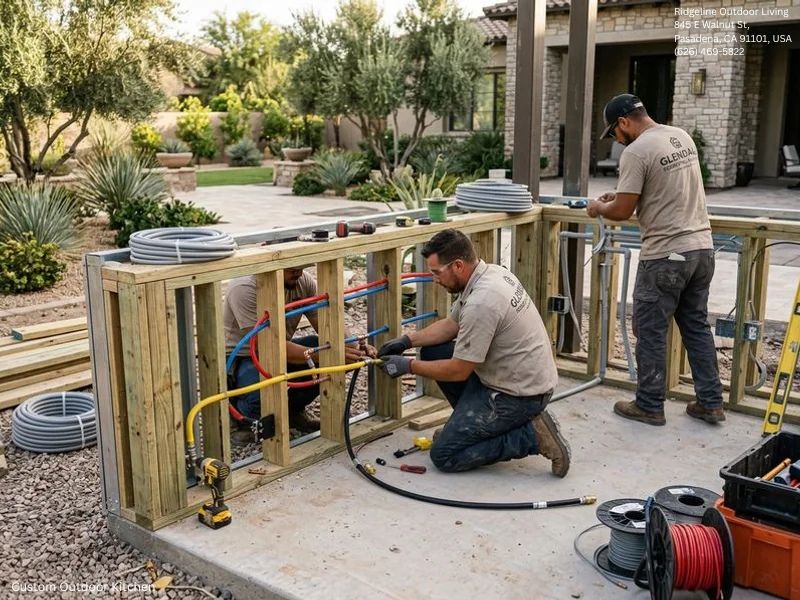
Landscape construction primarily revolves around installing durable and attractive hardscape features that add structure and functionality to outdoor areas. Common elements include patios, retaining walls, decks, pergolas, outdoor kitchens, fire pits, and pond construction.
Hardscape Features and Their Importance
Hardscape elements provide a solid foundation and framework for your landscape. These features include:
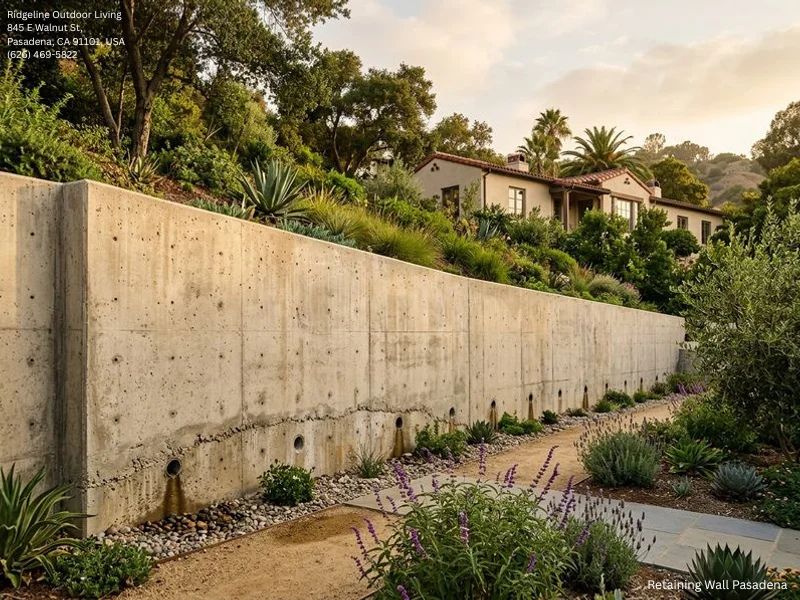
- Patio Installation: Offers an outdoor living area perfect for entertaining and relaxing. Retaining Walls: Help prevent soil erosion, manage landscape grading, and create terrace levels. Pathways: Define garden flow and connect various zones seamlessly. Decking and Pergolas: Enhance vertical interest and provide shaded relaxation spots. Outdoor Kitchens and Fire Pits: Expand usable space and encourage outdoor gatherings year-round. Pond Construction: Introduces calming water features that improve landscape aesthetics and biodiversity.
Utilizing quality landscape materials such as decorative rocks, landscape edging, and landscape borders enhances durability and visual appeal while complementing the natural surroundings.
Installation Techniques and Best Practices
Successful landscape construction depends on proper installation techniques to ensure longevity and performance. Key considerations include:
- Landscape Grading: Establishes proper slopes to direct water runoff away from structures and prevents pooling. Drainage Solutions: Incorporate French drains, swales, or dry wells to manage excess water and reduce soil erosion. Soil Preparation: Compaction and stabilization of soil prior to construction improve support for hardscape features. Erosion Control: Utilize retaining walls, geotextiles, and native plantings to minimize soil displacement.
Adhering to these best practices ensures your landscape’s structural integrity and enhances its resilience against weather extremes.
Essential Components of Softscape Design
Softscape design breathes life into outdoor environments by incorporating vibrant vegetation and natural elements. This includes planting beds, native plants, tree planting, shrubbery, lawn care, sod Xeriscaping Pasadena CA installation, xeriscaping, artificial turf, composting, mulching, and landscape fertilizers.
Choosing the Right Plants for Your Landscape
Selecting plants suited to your climate and soil conditions is crucial for lasting beauty and reduced maintenance. Consider the following:
- Native Plants: Adapted to local conditions, they require less water and fertilizer while supporting local wildlife. Plant Nurseries: Provide expert advice on species selection and sourcing healthy specimens. Green Landscaping: Focuses on sustainable planting strategies that promote environmental health. Xeriscaping: Utilizes drought-resistant plants to conserve water without sacrificing aesthetics.
Combining strategic plant choices with your garden’s layout creates lush, balanced landscapes that thrive year-round.
Soil and Plant Care Techniques
Healthy soil is the foundation of a thriving garden. Implement these techniques for optimal plant care:
- Soil Preparation: Improve soil texture and fertility by adding organic matter like compost and topsoil. Garden Mulch: Helps retain moisture, regulate temperature, and suppress weed growth. Weed Control: Manual removal combined with targeted herbicides prevents competition for nutrients. Landscape Maintenance: Regular pruning, fertilizing, and watering schedules ensure plant vigor and growth.
Consistent attention to soil health and plant care establishes a robust landscape that requires minimal intervention over time.
Integrating Irrigation and Landscape Lighting Systems
An efficient irrigation system and well-planned landscape lighting significantly enhance the usability and beauty of outdoor spaces. Proper garden irrigation conserves water while keeping plants healthy. Automated drip or sprinkler systems tailored to specific planting zones maximize water efficiency and reduce waste.
Strategic landscape lighting brightens pathways, highlights architectural features, and extends outdoor living hours. Options include solar lights, LED fixtures, and motion sensors to enhance safety and ambiance. Together, irrigation and lighting systems contribute to a comfortable and visually striking landscape.
Planning and Designing Your Landscape Blueprint
Creating a detailed landscape blueprint is vital to organizing your garden’s layout effectively. This plan should incorporate:
- Landscape Zoning: Divide your outdoor space into functional areas such as relaxation, dining, gardening, and play. Garden Planning: Select appropriate plants and hardscape elements per zone for optimal utility and aesthetics. Landscape Renovation: Assess existing features and identify upgrades or replacements needed to meet your vision.
A thoughtfully designed blueprint streamlines the project, minimizes costly changes, and ensures seamless execution.
Working with Professional Landscape Contractors
Hiring experienced landscape contractors can elevate your project’s quality and efficiency. Professionals bring expertise in:
- Operating specialized landscape equipment for earthmoving, grading, and installation. Providing tailored service solutions based on your property’s unique challenges. Managing logistics, permits, and timelines for smooth project completion. Ensuring compliance with local building codes and environmental regulations.
Collaborating with reputable service providers guarantees that both landscape construction and softscape design elements are executed to high standards and your satisfaction.
Sustainable and Eco-friendly Landscaping Practices
Implementing green landscaping principles fosters environmental stewardship while enhancing your yard’s health and beauty. Best practices include:
- Landscape Sustainability: Using native plants, composting organic waste, and preventing erosion through groundcovers and retaining structures. Composting: Recycling garden debris reduces waste and produces nutrient-rich soil amendments. Erosion Control: Employing natural stabilization techniques protects soil and waterways. Xeriscaping: Lowers water consumption by promoting drought-tolerant species and efficient irrigation.
These eco-friendly approaches reduce maintenance costs and create resilient landscapes that harmonize with the local ecosystem.
Frequently Asked Questions About Landscape Construction and Softscape Design
What is the difference between landscape construction and softscape design?
Landscape construction refers to the installation of hardscape features such as patios, walls, and pathways, whereas softscape design focuses on living components like plants, trees, and soil management.
How do I choose the right plants for my garden?
Consider factors such as your climate zone, soil type, water availability, and maintenance preferences. Native plants and drought-resistant varieties are excellent choices for sustainable gardens.
What are the essential steps in preparing soil for landscaping?
Clear existing debris, test soil pH and fertility, amend with compost or topsoil, ensure proper grading, and install necessary drainage before planting.
How long does a typical landscape construction project take?
Project duration varies, but most residential jobs last from several days to a few weeks depending on complexity and scale.
Can I install irrigation systems myself, or should I hire a professional?
While DIY installation is possible for simple systems, hiring professionals ensures optimal design, water efficiency, and long-term reliability.
What are the benefits of using native plants in softscape design?
Native plants require less water and fertilizer, support wildlife habitats, and adapt well to local environmental conditions.
How do I maintain my landscape to ensure it stays healthy year-round?
Regular watering, pruning, mulching, fertilizing, and seasonal inspections help keep your landscape thriving across all seasons.
What sustainable landscaping practices can reduce water usage?
Practices include xeriscaping, installing drip irrigation, mulching to retain moisture, and choosing drought-tolerant plants.
How much does professional landscape construction usually cost?
Costs vary widely based on project size, materials, and labor but expect to budget several thousand dollars for comprehensive designs including hardscape and softscape elements.
What are some popular hardscape features to enhance outdoor living spaces?
Popular features include patios, decking, pergolas, outdoor kitchens, fire pits, walkways, and decorative retaining walls.
In conclusion, mastering landscape construction and softscape design enables you to create outdoor environments that are not only visually stunning but also sustainable and functional. By combining expert installation techniques with thoughtful plant selection and maintenance, you can enjoy a personalized oasis that enhances your property’s value and your quality of life. Whether undertaking a DIY project or hiring professionals, this guide provides the fundamental knowledge to bring your landscape vision to life.
Our Local Sponsor
Business Name: Ridgeline Outdoor Living
Address: 845 E Walnut St, Pasadena, CA 91101, United States
Phone: (626) 469-5822
Ridgeline Outdoor Living
Ridgeline Outdoor Living is a Pasadena-based landscape design-build company serving Greater Los Angeles with custom outdoor living, hardscape, and drought-tolerant landscape solutions. The company specializes in patios, retaining walls, outdoor kitchens, drainage, hillside projects, and turnkey landscape construction, handling projects from design and permitting through final build and warranty.
845 E Walnut St, Pasadena, CA 91101, USA
Business Hours:
- Monday – Saturday: 8:00 AM – 6:00 PM
- Sunday: Closed
Follow Us: